
Emergency Electrician in Houston. Call any hour.
A 24 hour electrician who picks up the phone. Sparks, a burning smell, a dead panel, a storm: call and we tell you what to do right now.
Is it an electrical emergency or can it wait?
Most people call at the worst moment and are not sure how serious it is. Here is how we sort it.
Call an emergency electrician right now
Sparks, smoke, a burning or fishy smell, a scorched outlet, or a breaker that is hot to the touch all need a call immediately. So does an exposed wire, a buzzing panel, or a panel with water in it. These problems can start a fire or hurt someone, and they do not improve with time.
Urgent, but not dangerous
A main breaker that will not stay on, half the house dark while the neighbors have lights, or a circuit that trips the moment you reset it are urgent. Nothing may be on fire, but something is wrong behind the wall. Call any hour and we will tell you whether it is safe to wait until morning.
What can usually wait for a daytime visit
One dead outlet, a fixture that stopped working, a wobbling ceiling fan, or a breaker that tripped once and has been fine since can generally wait. Book a regular troubleshooting visit and leave that circuit alone. A planned visit is easier on you and gives us time to do the repair properly.

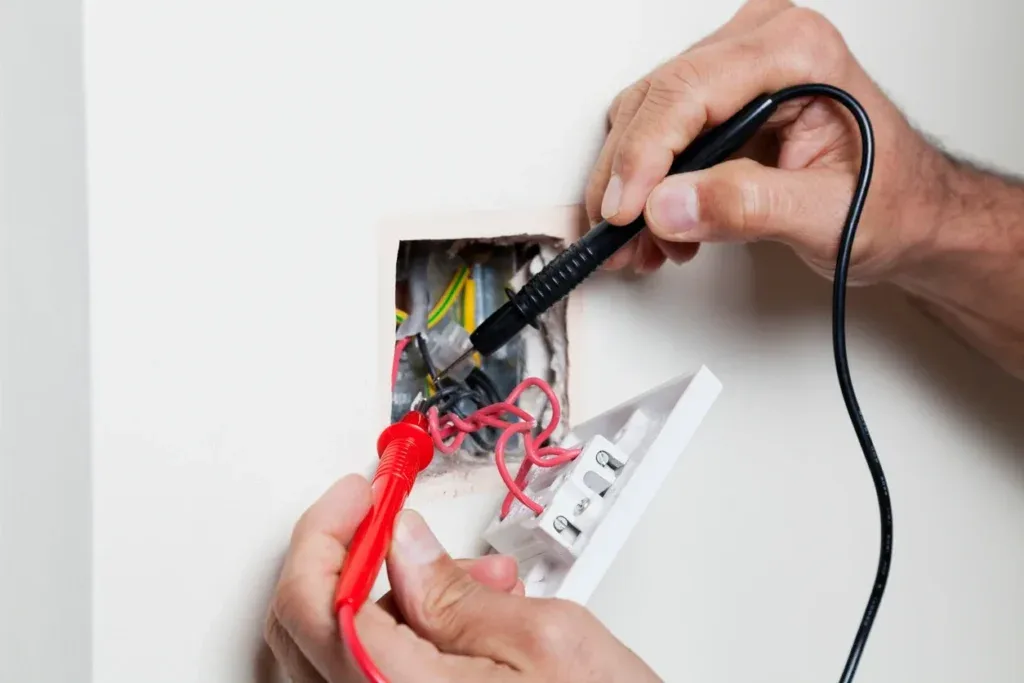
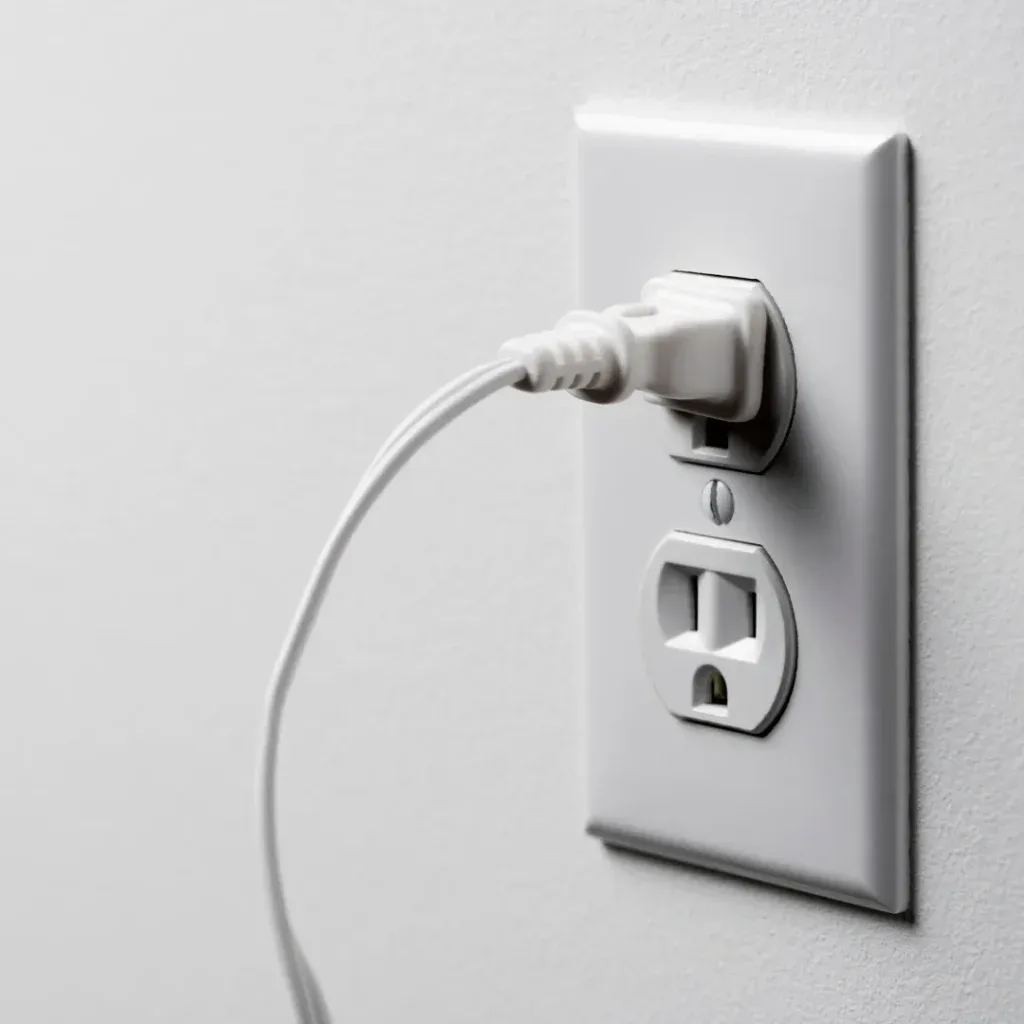
What to do in the first minutes of an electrical emergency
These are safety steps only, not repair steps, and none of them replaces calling for help.
If there is fire or someone is hurt, call 911 first
Fire, smoke filling a room, or anyone who has been shocked comes before everything else. Get people and pets outside and call 911. Call us once the fire department or paramedics have what they need.
Turn off the affected breaker only if it is safe
If a smell or heat is coming from one outlet or room and you can reach the panel without crossing water or touching anything damaged, switching off that one breaker can keep it from getting worse. If the panel is wet, scorched, buzzing, or hard to reach, step back and leave it alone. Never force a breaker that will not move.
Stay away from water and downed lines
Do not wade through standing water to reach a breaker or unplug anything, because water can reach outlets and panels you cannot see. A line down in the yard or street is for the utility and the fire department, so keep everyone well back and call CenterPoint. When you call us, tell us what you saw, heard, or smelled and when it started.
Storm, flood and hurricane damage to your electrical system
Houston storm season is hard on wiring. Wind, flooding and lightning leave damage that is not always visible when the lights come back on.
Flooded outlets, panels and wiring
Water that reached outlets, a panel, or wiring in the walls can leave corrosion and hidden damage even after everything dries. Do not turn the power back on yourself if water got into the electrical system. We inspect what was wet, tell you what is safe to keep, and replace what is not.
Torn meters, bent masts and downed service lines
Wind and falling limbs often rip the mast, weatherhead, or meter base off the house. The utility handles its own lines, and the electrician handles the equipment on your side. We make the house side safe and ready so power can come back as soon as the utility is.
Lightning strikes and power surges
A nearby strike or a grid surge can ruin outlets, appliances, or a panel. Burn marks, a smell of hot plastic, or electronics that all died at once point to a surge. We test the circuits and, if you want, talk through surge protection for the next storm.
Power is back, but something is wrong
After a restart some homes have lights that flicker, dead outlets, or breakers that will not hold. Storm damage or an unsteady restart can be the cause. Call us rather than living with it, because loose or damaged connections tend to get worse.
Common emergency electrician calls in Houston homes
Three warning signs that are worth a call, day or night.
Flickering or dimming lights
One flickering bulb is usually the bulb or fixture. Lights that flicker throughout the house, dim when the air conditioner starts, or flicker along with a buzzing sound can point to a loose connection at the panel or meter. If it comes with a burning smell or heat, treat it as an emergency.
A tripped main breaker that will not reset
The main breaker shuts off the whole house, so when it trips and will not stay on, something is drawing too much current or has failed. Repeated resetting only stresses the equipment. Leave it off, tell us what was running when it tripped, and we will find the cause.
A burning smell or hot outlets and switches
A hot-plastic or fishy smell near an outlet, switch, or the panel, or a cover plate that feels warm or looks discolored, usually means overheating. The cause may be a worn device, a loose wire behind it, or an overloaded circuit. Stop using it, switch off that circuit only if you can do so safely, and call.
What happens when you call a 24 hour electrician at Wired
This is how we run an emergency call, so there are no surprises when the truck pulls up.
What we ask on the phone and what we bring
Call any time and asks what happened, where in the house, and whether anyone is in danger. Our trucks carry testing tools, breakers, outlets, switches, wire, and the common parts for everyday repairs. If a part is not on the truck, we make the house safe first and bring it back.
What an emergency visit involves
We find the cause before we fix anything, test the circuits, and explain what we found in plain words. Then we either repair it that visit or make it safe and schedule the repair, and we tell you which before we start. If the repair needs a permit, we pull it.
How we handle cost on an emergency call
We tell you what the call costs on the phone before the truck rolls, so the number is not a surprise at the door. After we see the problem we explain the repair, and you decide whether to go ahead.
Partial power loss, sparking outlets and breakers that keep tripping
Not every emergency is a full blackout. These calls are common in Houston homes and need a licensed electrician to sort out.
Half the house lost power
If some rooms are dead while others work, or lights go very bright and very dim, the problem may be a lost leg of your service. That can be at the main breaker, the meter, or the line from CenterPoint. Turn off large appliances and call. Check with a neighbor too. If they have the same issue, call CenterPoint first. If it is only your house, call us.
An outlet sparked or went black
A small spark when you pull a plug can happen. A loud pop, a flash, or black marks on the outlet face is different. Turn off the breaker for that circuit if you can reach it safely, and do not use the outlet again. The cause is usually a loose or damaged connection, and it can affect other outlets on the same run. We find it and replace what is damaged.
A breaker that trips as soon as you reset it
A breaker that trips right away when you reset it is doing its job. Something on that circuit is shorted or badly overloaded. Unplug everything on the circuit and try one more time. If it still trips, leave it off and call us. Never hold a breaker on, tape it, or swap in a bigger one. That removes the protection that keeps the wire from overheating.
Generator problems during a power outage
A generator that will not run during an outage is an emergency of its own. We service Generac and Kohler generators, and our phones are open 24/7.
The standby generator did not start
Check the generator control panel first. If it shows an alarm or says it is off, note the message and call us. Common causes are a weak battery, low oil, a fuel supply issue, or a tripped breaker on the generator. Do not keep resetting it if it fails again. Yearly service under a Shield Protection plan catches most of these before the storm, not during it.
The generator runs but the house is still dark
If the generator is running but the house did not switch over, the issue is likely in the transfer switch or its controls. Leave the generator panel alone and do not try to switch anything by hand inside the transfer switch. Tell us what the generator display shows. We troubleshoot both the generator and the transfer switch, since they work as one system.
Using a portable generator safely
Run a portable generator outside, well away from doors, windows and the garage, because exhaust can be deadly. Never plug it into a dryer outlet or any wall outlet to feed the house. That can send power back into the lines and hurt a lineworker or a neighbor. A properly installed transfer switch or inlet is the safe way to connect one.
After the emergency: repairs, permits and the utility
Once the immediate danger is over, there are a few steps between the emergency and having full power back.
Why CenterPoint may not reconnect right away
If the meter base, mast or panel on your house was damaged, CenterPoint may not restore power until that part is repaired. The utility owns the lines to your house, and you own what is attached to it. We make the repair on the homeowner side, and where an inspection is required, we schedule it. Then CenterPoint can reconnect. We tell you what to expect at each step so you are not left guessing.
Documenting storm damage
Take photos of the damage before anything is moved, as long as it is safe to do so. Write down when the problem started and what you saw. After our visit, ask for a written description of what we found and what we repaired. That record helps when you talk with your insurance company about storm damage. Keep receipts for any temporary fixes, hotel stays or spoiled food as well.
Temporary fix now, full repair later
Sometimes the safe answer on an emergency call is to make the house safe tonight and finish the full repair in a follow-up visit. That can mean isolating a damaged circuit so the rest of the house has power. We explain what was done, what is left, and give you the full repair in writing so you can decide on the next step.
No power in one room, half the house, or one outlet: what it usually means
When part of the house goes dark and the rest is fine, the cause is usually somewhere you can narrow down. These notes help you describe it on the phone.
No power in one room
One dark room usually means a tripped breaker, a tripped GFCI outlet on the same circuit, or a loose connection in a box. Check the panel for a breaker sitting between on and off, and look for a GFCI outlet in a bathroom, garage or outdoors with its button popped out. If the breaker trips again right away, or the room has a burning smell, stop resetting it and call. A repeat trip means something on that circuit is failing.
Half the house is dark
If one whole side of the house has no power while the other side works, the problem may be at the main breaker, the service connection, or the meter, not at one circuit. Lights that are dim in one area and unusually bright in another point the same way. This is worth an urgent call, because a bad service connection can damage appliances and electronics. Tell us which rooms are out and whether the neighbors still have power.
Sparking or arcing outlet
A small spark when you plug something in can be normal. A spark with a pop, a blackened outlet, a loose plug that will not hold, or a smell of hot plastic is not. Unplug whatever is in it only if you can do so without touching a scorched area, switch off that breaker if it is safe to reach, and leave the outlet alone. A worn outlet or a loose wire behind it can overheat before anything trips.
Buzzing, humming or hot switches and panels
A switch or dimmer that buzzes, feels warm, or crackles when you flip it is telling you the connection behind it is loose or overloaded. A panel that hums loudly or has a hot spot on the cover deserves the same attention. Stop using that switch or circuit, keep clear of the panel, and call. These problems often start small and get worse with each use.
A GFCI outlet that will not reset
If the reset button will not stay in, there may be moisture in the outlet or on its circuit, a failed GFCI, or a real ground fault. After rain, an outdoor or garage outlet often recovers once it dries. If it stays dead on a dry day, or other outlets went out with it, have it checked rather than replacing it blind.
Is it the grid or your house? Outages, storms and generators
During storm season it is not always obvious whether the problem is on the utility side or inside your walls.
Only your house is out
If the neighbors have lights and you do not, look at your main breaker first. A main breaker that tripped is often the result of something on your side, such as a surge or a failed circuit. If it will not reset, or you see damage at the meter or mast, call us. If the whole street is dark, the utility has the problem, and CenterPoint is the number to call.
Power came back, but only some things work
After an outage, some homes come back with partial power: certain outlets dead, lights odd, or an air conditioner that will not start. A surge or a failed connection can cause this. Turn off sensitive electronics and appliances you are not using, and have the system checked before you run the whole house on it. If lights flicker, appliances hum, or anything smells hot, turn that equipment off and leave it off. Tell us which outlets and rooms are affected and whether it started right after the power returned.
Running a generator during an outage
A portable generator should never be plugged into a wall outlet, because it can send power back into the lines and hurt a utility worker or damage the generator. Keep it outdoors and well away from windows. The safe way to power a house is a permitted inlet with a transfer switch or interlock, which we install. Call if you need that set up after an outage.
Emergency calls by appliance and area of the house
Some failures show up at a particular appliance or part of the house. Here is what we hear about most.
Dryer or range outlet hot or melted
Large appliances pull a lot of current for long stretches. A plug or receptacle that is discolored, warm, or smells hot has a loose or worn connection. Stop using the appliance, switch off its breaker if it is safe to reach, and call. Replacing the receptacle and checking the cord and wiring is the usual repair. Do not keep using it, and do not simply swap the plug. A heat-damaged receptacle often means the wire behind it was stressed too, so we check the whole connection.
Air conditioner or water heater keeps tripping its breaker
In a Houston summer, an AC breaker that trips during the hottest part of the day is more than an annoyance. It can mean a failing motor, a loose connection, or a breaker that is worn out. A water heater that trips its breaker is similar. Do not hold the breaker on. We test the circuit and the equipment to find which part is at fault.
Garage, outdoor and pool-area outlets
Outlets that get wet are the ones most likely to fail in a storm. If an outdoor or garage outlet is cracked, filled with water, or has a cover that no longer closes, keep people and pets away from it and turn off its breaker if you can do so safely. Do not use it again until it has been checked and, if needed, replaced with a weather-rated GFCI outlet.
Emergency Electrician Price, Prices and Rates: What to Expect
People ask about the emergency electrician price before they call. Here is the honest answer.
Emergency electrician price: what it depends on
We do not post an emergency electrician price or rates. The price depends on what has failed, how much work it takes to make the house safe, the parts needed and whether a permit is involved. Tell us what is happening when you call and we will explain what is likely, how we handle the visit and what we need to see. You get the estimate before work starts.
Emergency electrician prices and rates, in plain terms
Emergency electrician prices and emergency electrician rates vary because no two emergencies are alike. A tripped main breaker and a flooded panel are very different jobs. A call at night may cost differently from a daytime visit, so ask us how we handle after-hours calls when you phone. We would rather tell you how the visit works than quote a number we cannot stand behind.
Emergency electrician near me prices: how to compare
If you search for emergency electrician near me prices, you will see many different answers. Ask each company what a call-out includes, whether the estimate is given before work begins, and who does the repair. We will tell you how our visit works and give a written estimate for the repair before we start. Our phones are open day and night at (713) 467-1125.
What counts as an electrical emergency.
If you are not sure, call. We would rather answer than have you wait.
- Burning smell, sparks, or a hot outlet or breaker. Turn that breaker off and call.
- Half the house is dead and the breaker will not reset.
- Buzzing from the panel or a switch.
- A service line down or an exposed wire. Stay away and call us and CenterPoint.
- Storm damage. Water in a panel, a meter ripped off, a tree through the power.
- No power and a medical device. Tell us and we will move you up.
From first call to finished job.
- Call. We answer day or night and ask a few questions.
- We tell you what to do now. Which breaker, what to unplug, what to keep away from.
- We come out. We find it and fix it, or make it safe and book the repair.
Emergency electrician and 24 hour electrician in Houston
Open 24/7 since 2005, family-owned.
Emergency electrician near me
Our shop is in Tomball and we cover Houston and the area around it. Call and we say how soon.
Not an emergency?
Dead outlets and tripping breakers can usually wait for the next visit. See troubleshooting.
Power out for days?
A standby generator takes the 2 a.m. calls off your list. See generator installation.
Where we do it
Emergency electrician pages for the areas we are focused on.
Old Electrical Panels in Houston Homes: What to Look For
Ask us anything. These come up most.
Is Wired a 24 hour electrician?
Yes. We answer the phone 24/7 and send someone out if it cannot wait.
What should I do in an electrical emergency?
If something smells, sparks or is hot, turn the breaker off. If water is involved, do not touch anything. If anyone is hurt or there is a fire, call 911 first. Then call us.
Do you charge for emergency calls?
We tell you what the call costs on the phone before the truck rolls.
When should I call 911 instead of an electrician?
Call 911 first for any fire, heavy smoke, or if anyone has been shocked or hurt. Call us after, once everyone is safe.
What should I do if my lights flicker and there is a burning smell?
Treat it as an emergency. If it is safe to reach the panel, switch off the affected circuit, keep everyone away from the area, and call us. If you see smoke or flames, get out and call 911.
Can a storm damage my wiring even if the power came back on?
Yes. Water, a surge, or a damaged meter or mast can harm wiring and equipment that still seems to work. If your home flooded or took a lightning strike, have an electrician inspect it before you rely on it.
How do I find an emergency electrician near me at night?
Call (713) 467-1125. We answer at any hour and tell you what to do right away. Our shop is in Tomball and we cover Houston and the area around it.
Do you fix the power line outside my house?
Lines owned by the utility are handled by the utility, so call CenterPoint for a line down or an outage on their side. We handle the electrical system on your side of the meter, including the mast, meter base, and panel.
How much does an emergency electrician cost?
It depends on what is wrong, the parts, how long the repair takes and whether it is after hours. We do not post emergency prices or rates. Call (713) 467-1125, tell us what is happening, and we will explain how the visit works and give you an estimate before work begins.
Why is half my house without power?
It is often a problem with one leg of your electrical service, at the main breaker, the meter, or the utility line. Ask a neighbor if they have the same issue. If they do, call CenterPoint. If it is only your house, call us at (713) 467-1125.
Is it safe to reset a tripped breaker myself?
Resetting once is fine. Push the handle fully off, then back on. If it trips again right away, leave it off and call an electrician. Do not hold it on or replace it with a bigger breaker.
My standby generator did not start in the outage. What should I do?
Read the message on the generator control panel and call us. Common causes are the battery, oil level, fuel supply or a tripped generator breaker. We service Generac and Kohler generators.
Can I plug a portable generator into my dryer outlet?
No. Backfeeding through an outlet can send power into the utility lines and injure a lineworker, and it can damage your home. Use a transfer switch or inlet installed by a licensed electrician.
Can I fix an electrical emergency myself?
You can turn off a breaker if it is safe to reach, unplug devices and keep people away from the problem. Leave the repair to a licensed electrician. Opening the panel or working on live wires can cause serious injury.
Why does my house breaker keep tripping?
A breaker trips to protect the wiring. The usual causes are too many things on one circuit, a faulty appliance, a loose connection, water in an outlet or fixture, or a breaker that is worn out. If it trips again the moment you reset it, or the breaker or panel feels hot, leave it off and call us. We answer 24/7 at (713) 467-1125.
Do you offer emergency electrician service in Houston and Tomball?
Yes. Our phones are open 24/7, and we serve Tomball and the Greater Houston area from our shop on Alice Road. Call (713) 467-1125 and a person will help you decide how urgent it is.
Something wrong right now?
Do not email. Call.