
Transfer Switch Installation in Houston
In-stock automatic transfer switches 100A–400A since 2005. Serving Houston and surrounding areas. Generac Prestige Dealer & BBB A+ rated. Free quote!
Request a quote.
What a Transfer Switch Does and Why Your Generator Needs One
Every generator that powers a house needs a safe way to connect to it. That is the job of the transfer switch.
Transfer switch explained in plain English
A transfer switch sits between the utility, your generator and your home's wiring. It lets the house take power from one source or the other, never both at once. When the grid is up, your home runs on utility power. When the grid goes down, the switch moves the house over to the generator. When the grid comes back, it moves the house back. The generator never connects to the street wires.
Why back-feeding is dangerous
A generator tied into a house without a transfer switch can push power back out through the meter and onto the utility lines. That is called back-feeding. It can shock and kill a line worker who expects those wires to be dead. It can also damage the generator and start a fire when the grid power returns. A transfer switch or a properly installed interlock is what prevents it.
Automatic transfer switch for standby generators
A standby generator uses an automatic transfer switch, often called an ATS. It watches the utility power all the time. When the power drops, it signals the generator to start, waits for it to warm up and then moves the house over. When utility power is steady again, it moves the house back and lets the generator cool down and shut off. Nobody has to be home for any of it.
Manual transfer switch for portable generators
A portable generator usually pairs with a manual transfer switch. You roll the generator out, plug it into an inlet on the outside of the house and flip the switch yourself. It costs less than an automatic setup and works well for people who are home during outages and want to run a few key circuits. It is still permitted, inspected work.
Whole House Transfer Switch vs Essential Circuits
The next question is how much of the house the generator will carry. That choice drives the size and type of transfer switch.
Whole house transfer switch
A whole house transfer switch carries every circuit in the panel. It is usually rated for service entrance use and installed between the meter and the main panel. It pairs with a standby generator sized to run the home's real load, including central AC. This is the most common setup we install with a Generac whole home generator, because the house works the same during an outage as it does any other day.
Essential circuit transfer switch
An essential circuit switch, sometimes called a transfer panel, feeds a small set of chosen circuits. Think refrigerator, freezer, a few lights, the garage door, the gas furnace blower, a bedroom AC window unit or the well pump. It works with a smaller generator or a portable. It is a good fit when the goal is getting through an outage, not living normally through it.
Load management and load shedding
A generator that is a little smaller than the whole house load can still run a whole house switch if it has load management. Load shedding modules switch off big loads like a second AC, a pool pump or an electric dryer when the generator is close to its limit, then turn them back on when there is room. We decide on this during the load calculation, not by guesswork.
Transfer switch sizes
Transfer switches are rated in amps, and the rating has to match the service it controls. A home with 200 amp service usually needs a 200 amp switch for whole house coverage. Larger homes with two panels or bigger services may need a larger switch or more than one. We keep common automatic transfer switch sizes in stock at the Tomball showroom and confirm the right one on the visit.
Generator Interlock vs Transfer Switch
An interlock kit is the other common way to connect a portable generator. Both can be safe and legal when they are done right.
How a generator interlock kit works
A generator interlock is a metal plate or slide mounted on the front of your electrical panel. It physically blocks the main breaker and a dedicated generator breaker from being on at the same time. To use the generator, you turn off the main, slide the plate and turn on the generator breaker. Power from an outside inlet then feeds the panel, and it cannot reach the utility lines.
Interlock vs transfer switch: the real differences
An interlock uses your existing panel, so you choose which breakers to run during the outage by turning them on and off. A manual transfer switch has its own set of circuits picked ahead of time. An automatic transfer switch does it all with no one home. An interlock is usually simpler, while a transfer switch is more foolproof for people who do not want to manage breakers in the dark.
Is a generator interlock legal?
A generator interlock is legal when the kit is listed for your exact panel, installed by a licensed electrician and covered by a permit and inspection. Many inspectors want the kit made or approved for that panel brand and model, along with proper labels. A homemade bracket or a kit that does not fit your panel is not the same thing. We look at your panel and tell you straight whether an interlock fits.
When we point you to one or the other
If you have a portable generator and a panel that accepts a listed kit, an interlock with an inlet box is often the simple answer. If the panel is full, outdated or has no matching kit, a manual transfer switch may be cleaner. If you want the power back without lifting a finger, that is a standby generator and an automatic transfer switch.
Portable Generator Hookup to Your House, Done Safely
Portable generator hookup is where most dangerous mistakes happen. Here is what a safe setup looks like, and what to avoid.
Never plug a generator into a wall or dryer outlet
A cord with a plug on both ends, run from a generator to a dryer outlet or a wall outlet, is sometimes called a suicide cord. It back-feeds the house and the utility lines with no protection at all. It also leaves live metal prongs exposed. It is illegal, it can jeopardize an insurance claim and it can kill you, your family or a lineman. There is no safe way to do it.
Generator inlet box and cord
A safe portable generator hookup starts with a weatherproof inlet box mounted on the outside wall. The generator plugs into the inlet with a matched cord, so there are no exposed live prongs. The inlet then feeds a manual transfer switch or a panel with a listed interlock. We place the inlet where the generator can sit a safe distance from doors, windows and vents.
What a portable generator can run
A portable generator can usually carry the refrigerator, freezer, some lights, phone chargers, internet and fans. Central AC is often beyond it, though some homes can run a smaller unit with a soft start. Before we install the hookup, we look at the generator's rating and the loads you care about. That way the circuits match what the generator can carry.
Carbon monoxide and where the generator sits
A portable generator must run outside, away from the house, never in a garage, a shed or under a covered patio. Exhaust contains carbon monoxide, which you cannot see or smell. Put a battery-powered carbon monoxide alarm in the house during any outage. A good hookup includes thinking about where the generator will actually sit when the storm comes.
Automatic Transfer Switch Installation: What the Job Involves
An automatic transfer switch installation is electrical service work. It is permitted, inspected and coordinated with the utility.
The visit and the load calculation
We start at your house, not over the phone. We look at the meter, the panel, the service size and where the generator and switch can go. Then we run a load calculation on what the house actually uses. That tells us the switch rating, whether you need load management and what size generator makes sense. You get a written estimate after the free visit.
Where the transfer switch mounts
A whole house automatic transfer switch is usually mounted outside, next to the meter, between the meter and the main panel. Some homes use a meter-mounted switch or a switch inside near the panel. Location depends on the panel position, the wall space, code clearances and the run to the generator pad. We show you where it will go before work begins.
Permits, inspection and CenterPoint
Transfer switch installation needs an electrical permit, and the work gets inspected. Because the switch sits in the service, the utility has to disconnect and reconnect power at the meter. In most of Greater Houston that is CenterPoint. We pull the permit under our license, schedule the inspection and coordinate the utility, so you do not have to chase anyone.
Testing and the walkthrough
Once the switch and generator are installed, we test a real transfer. We cut utility power, watch the generator start and carry the house, then restore power and watch it switch back. After that we walk you through what you will hear, what the weekly exercise is and who to call if something looks wrong.
Transfer Switch Problems, Testing and Replacement
Transfer switches are reliable, but they are mechanical and electrical parts that live outside in Houston heat and humidity.
Transfer switch not switching to generator
If the generator runs but the house stays dark, the transfer switch or its control wiring is a likely suspect. Causes include a tripped breaker on the generator, a failed control board or relay, a loose connection or a switch that never got the signal. Do not open the switch to look. It stays energized from the utility side even during an outage. Call a licensed technician.
Transfer switch not switching back to utility
Sometimes the power comes back on the street but the house keeps running on the generator. The switch may not be sensing utility power, or a contactor may be stuck. Leaving it that way burns fuel and wears the generator. Note what the generator display says and call us. We check the sensing, the controls and the switch itself.
Transfer switch testing during maintenance
An annual generator service should include a look at the transfer switch and a real transfer test with your approval. That is the only way to know the whole system works before a storm, not just the engine. If you have an older switch we did not install, we can inspect and test it during a regular maintenance visit.
Transfer switch replacement
Replacement makes sense when a switch has failed, has storm or water damage, is undersized after a panel upgrade or is not compatible with a new generator. A new generator does not always mean a new switch, and an old switch does not always need replacing. We test first and tell you which one you have.
Adding or Upgrading a Transfer Switch on an Existing Home
Not every transfer switch job starts with a new generator. Many start with an older house, an older panel or a switch that no longer fits the way the home is used.
Service entrance rated transfer switches
Many whole house automatic transfer switches are service entrance rated. That means the switch also serves as the main disconnect for the house, so it can sit between the meter and the panel without a separate main breaker. It is a common setup on Houston homes with an outdoor meter. Whether your home needs one depends on how the meter and panel are arranged, which we check on the visit.
Older or full electrical panels
A transfer switch is only as good as the panel behind it. Some older panels are worn, damaged or simply full, and some brands are known for breakers that do not trip the way they should. If we find one of those, we tell you before anything is installed. Sometimes a panel upgrade belongs in the same project so the whole system is safe.
Adding an automatic switch to a generator you already have
If your standby generator was installed with an old or undersized switch, or you are adding circuits after a remodel, the switch can often be replaced without replacing the generator. We check that the new switch is compatible with your generator's controller, size it to your service, and test a real transfer once it is in so you know the two work together.
Going from an interlock to a standby generator
Plenty of homes start with a portable generator and an interlock kit or a manual switch, then move to a standby generator later. When that happens, the interlock or manual switch is usually replaced by an automatic transfer switch matched to the new generator. We plan that change as part of the generator install so you are never left with two systems wired to the same panel.
Commercial Automatic Transfer Switches
Businesses have different power, different codes and less room for downtime. The transfer switch has to match all three.
Three-phase and larger services
Most commercial buildings in the Houston area run on three-phase power, which is different from what a house gets. The automatic transfer switch has to match the voltage, the phase and the size of the service it controls. We check the service on the site visit and match the switch to the building and the generator, so you do not have to know which kind you have.
Whole building or selected panels
Some businesses back up the whole building. Others put refrigeration, registers, network equipment, security and lighting on a separate panel and let the rest wait. The choice changes the size of the generator and the switch. We walk the building with you, look at what has to keep running, and lay out both options so the decision is clear. Nothing is final until the load study is done.
Emergency and life-safety loads
When a generator powers exit lighting, fire alarms or medical equipment, codes require those loads to be handled in a particular way, and sometimes on their own transfer switch. The inspector checks it. We design the switch layout to the codes that apply to your building, pull the permits and hand you the startup paperwork for your records and your insurance company.
Testing a commercial transfer switch
A commercial transfer switch should be exercised and inspected on a regular schedule, not just when the power fails. Contacts wear, connections loosen and settings drift. Our commercial maintenance includes inspecting the switch and testing a transfer, scheduled around your business hours so customers and staff are not caught off guard when the lights blink. A short written record of each test goes in your file, which helps with inspections and insurance.
Generator Interlock Kits by Panel Brand
Interlock searches are mostly about brand and model. The kit is made for a specific panel, so the match matters more than anything else.
Eaton, Siemens, Square D, GE and Cutler-Hammer panels
An interlock slides between the main breaker and the generator breaker, so only one can be on. Each manufacturer builds panels differently, so kits are made for particular panel families. Send us a photo of the panel label and we will tell you whether a kit exists for it. Even within one brand, the model decides the kit, so the panel label and a photo of the inside are what we need.
Murray, Leviton, Westinghouse and Homeline panels
Some brands, especially older ones, have no listed interlock kit at all. Using a universal kit on a panel it was not made for is not a safe fix. If your panel has no kit, a transfer switch is usually the better path. We tell you straight if your panel has no approved kit, and we will suggest a safe alternative.
200 amp panels, vertical mains and outdoor panels
The position of the main breaker, whether it is vertical or horizontal, and whether the panel is indoors or outdoors all affect the kit. A main breaker outside is a separate case. We check what you have first. If you plan to upgrade the panel soon, it can be better to choose a panel that supports an interlock from the start.
UL listed kits and what the code says
Kits should be listed for the specific panel and installed to the electrical code, with the labels the code requires. Local rules vary and a permit is needed. We confirm what applies to your area. We pull the permit and arrange the inspection so the work is documented and your insurance and resale are not affected. Ask us what your city or county requires before you buy any kit.
Interlock Installation: Inlet, Cord, Neutral and Labels
An interlock is only one part of the system. The rest is the inlet, the cord and the correct connections.
The generator inlet and the power cord
The generator connects through an outdoor inlet box and a cord rated for the load. The inlet is wired to a breaker in the panel. A receptacle with an interlock and a short cord is not a substitute for the proper parts. The cord and inlet must match the generator output and plug type, and the inlet must be placed where the generator can sit outside, away from windows and doors.
Floating neutral versus bonded neutral generators
Portable generators differ in how the neutral and ground are connected. Whether the neutral should be switched or bonded depends on the generator and the connection. This is a technical point that we check on every job. Getting it wrong can create shock risks or stop protection devices from working, which is why we do not leave it to guesswork.
Interlock diagrams, labels and instructions
The kit includes instructions, and the panel needs warning labels. Hooking it up wrongly can send power to the street and endanger line workers. We do not recommend doing it yourself. Installation diagrams are written for licensed electricians who know the panel. If you are not trained, please leave the panel cover on. Safety comes first, because a wrong connection can hurt people outside your home too.
Backfeed risks and how to avoid them
Backfeed happens when a generator is connected to the house wiring without isolating it from the grid. An interlock, or a transfer switch, prevents it. Never use a dryer or wall outlet cord. Call (713) 467-1125 for a safe setup. Linemen restoring power can be injured by a backfed circuit, and the generator and house wiring can be damaged too.
Transfer Switch, Interlock or Meter Adapter: Choosing and Quoting
Cost, changeover and plug-in adapter searches all ask which option to choose. We do not post prices, because they depend on the panel, the generator and the work involved.
Automatic changeover versus manual
An automatic switch senses the outage, starts the generator and moves the load on its own. A manual switch or interlock needs someone to start and switch. Automatic is for standby generators and manual is common for portables. Our team can explain which fits your generator and your daily routine, and what each costs to install and to use. Ask us about both if you are still choosing a generator.
Whole house versus essential circuits
Some switches cover every circuit and others only the circuits you pick, which are powered by a smaller generator. We help you choose what to back up and which size of switch suits the home. Choosing essential circuits keeps the generator smaller, while whole house coverage means you do not need to choose what to run during an outage. We help you decide with a list of what you use most during an outage.
Meter-mounted generator adapters
Adapters that plug in at the meter exist, and the utility has rules about them. Not every home or utility allows one. Check with the utility, and call us if you are unsure whether it suits your house. These adapters do not suit every situation, and some need the utility's approval, so confirm before buying one. Ask us before you buy one, so you know it will be accepted and suits your home.
How transfer switch installation is quoted
The cost depends on the switch size, the generator, the panel and the wiring distance. A free visit gives you a written estimate. We also handle the permit and inspection. RV and shop hookups can be quoted the same way. You get the quote in writing, with the switch, the panel work, the permit and any other items listed, and no pressure to decide on the spot.
Transfer Switch Near Me: Installers in Houston and Tomball
If you are searching for a transfer switch near me, here is who does the work and what the job covers.
Transfer switch installation near me
Wired is a family-owned electrical company based at 13910 Alice Road in Tomball, licensed and insured, and we have been doing this since 2005. Our own crews handle transfer switch installation across Greater Houston, including Cypress, The Woodlands, Katy and Spring. We set the switch, run the circuits and pull the permit. Call (713) 467-1125 and we will set up a free visit to look at your panel and your generator.
Generator transfer switch installers near me
When people look for transfer switch installers near me, they usually want someone who will do the whole job and stand behind it. Our generator transfer switch installers are licensed electricians, not general handymen. They install the switch, the wiring and the breakers, test the changeover under load, and show you how it works before they leave. If a switch has to be replaced or moved, we handle that too.
Generac transfer switch near me and Generac generator transfer switch installs
Wired is a Generac Prestige Dealer, so a Generac generator transfer switch is something we install every week. If you want a Generac generator with transfer switch, we supply the unit and the switch together, size them to match, and wire them in one visit. If you already own the generator and need a Generac transfer switch near me, call and tell us the model so we can confirm the right switch for it.
Standby generator transfer switch installation
Looking for a generator transfer switch near me, or a standby generator with transfer switch? A standby generator transfer switch installation is more than hanging a box on the wall. A transfer switch on generator installs has to match the generator, the panel and the circuits you want to power. We set the switch near the panel or at the meter, wire it to the generator, label everything and test an actual outage. Your standby generator with a transfer switch should switch over by itself and return to utility power by itself once the lights come back.
What a Transfer Switch Is and How It Works
Plain answers to the questions people type before they call.
Transfer switch meaning: what it does
The transfer switch meaning is simple. It is the device that moves your house from utility power to generator power and back, and it keeps the two from ever being connected at the same time. That separation is what protects line workers and your appliances. A transfer switch for generator use is the legal, safe connection between the generator and your wiring, which is why it is required for any generator wired to a house.
Transfer switch: how does it work?
When the utility power drops, a transfer switch how does it work question has a short answer. A manual switch is flipped by you. An automatic one senses the outage, signals the generator to start, and moves the house circuits over once the generator is steady. When utility power returns and holds, it moves the load back and the generator shuts down. Either way, only one source is ever connected.
Transfer switch ATS: automatic transfer switch
An ATS is an automatic transfer switch, the type used with standby generators. You never have to go outside in a storm. A transfer switch ats can carry the whole house or just chosen circuits. A manual transfer switch is cheaper in hardware and works with portable generators, but you have to be home to use it. We explain both choices on the free visit and install either one.
Transfer switch ready generator meaning
A transfer switch ready generator, or transfer switch ready generator meaning, usually refers to a portable that has the right outlet to connect to a switch or inlet. It does not mean the generator comes with a switch. You still need the switch, the inlet, and an electrician to install them. Check the outlet type on your generator and tell us the model, and we can say what is needed to connect it safely.
Electrical transfer switch for house and residential use
Transfer switch electrical work is about the electrical panel: a transfer switch electrical panel connection ties the switch to your breaker box. An electrical transfer switch for house use sits between the generator and your panel. Transfer switch residential installations are common in the Houston area because storms and outages are common. A transfer switch for house power, or a transfer switch house install, can be a small switch for a few circuits or a larger one for the whole home. Which one is right depends on what you want running, which is why we start with a walk-through of the house.
Choosing the Best Transfer Switch for a Generator
There is no single best transfer switch. There is the right one for your generator, panel and house.
Best transfer switch for generator and for a home generator
People search for the best transfer switch, the best transfer switch for generator, or the best transfer switch for home generator, and the honest answer depends on four things: the generator output, the size of your service, whether you want automatic or manual operation, and how many circuits you want covered. A switch that is too small is a problem and one that is too large wastes money. We match the switch to the whole system.
Transfer switch sizes and transfer switch brands
Transfer switch sizes are set by the amperage the switch can carry, and they have to fit the generator and the service. Transfer switch brands include the one built by your generator maker, as well as electrical manufacturers. For Generac generators we use the switch designed for that unit, since the two are tested together. We also service other brands. Bring us what you have and we will tell you plainly what it can and cannot do.
Transfer switch for whole house or just essential circuits
A transfer switch for house generator use can run most of the home or a few circuits. A transfer switch for whole house power moves everything at once, which suits a larger generator. A transfer switch for whole house generator setups can also be sized for key circuits only, such as the fridge, lights, internet, and an air conditioner. A whole house generator transfer switch installation costs more in equipment than a limited one, but we do not post prices. A free visit gets you a written estimate for either approach.
Transfer switch with breakers and transfer switch panel for generator
Some switches come as a transfer switch with breakers built in, a small panel that holds the circuits you chose to back up. A transfer switch panel for generator use keeps those circuits separate from the rest of the house, which makes the setup simple and easier to expand. Others connect to the main panel directly. Which style fits depends on how much room your panel has and how clean you want the install.
Transfer switch for house panel, home generator and generator to house
The transfer switch for house panel connections has to be wired to the panel and the generator in the right order. A transfer switch for home generator use, or a transfer switch home generator setup, differs for portable and standby units. A transfer switch for generator to house hookups, or a transfer switch to generator connection, runs through an inlet or direct wiring. When you ask about a transfer switch generator to house wiring, the electrician decides on the inlet, the cable run and the breaker. Your house panel brand and age matter, and we check them first.
Generac and Kohler Transfer Switches
Brand questions come up a lot, so here is how we handle them.
Transfer switch for Generac generator and Generac generator with transfer switch
A transfer switch for Generac generator installs is our everyday work. A transfer switch generac unit is usually matched to the generator by size, and a transfer switch on Generac generator installs is wired by our crews along with the gas line and the pad. If you are buying a Generac generator with transfer switch, ask us which switch fits your house and how much of the home it will carry. We tell you before anything is ordered.
Kohler generator transfer switch questions
We install Generac, and we service all brands. If you have a transfer switch for a Kohler generator, or are asking about a transfer switch Kohler generator pairing, we are glad to look at the existing install, check the wiring and test the changeover. We do not sell Kohler equipment. If the switch has failed or the generator will not transfer, call us and we will tell you what we see.
Standby generator and whole house generator transfer switch
A whole house generator and transfer switch go together. A whole house generator with transfer switch is installed as one system, and a whole house generator transfer switch installation covers the switch, the wiring from the generator, and the permit. If you ask about a whole house generator transfer switch for a home that already has a panel upgrade planned, we can do the two jobs together and save a second trip.
Where a Transfer Switch Goes and How It Is Wired
Location and wiring decide how clean and safe the installation is.
Transfer switch at meter, on meter and with meter socket
A transfer switch at meter, or a transfer switch on meter location, puts the changeover where service enters the home. A transfer switch with meter socket combines the two in one outdoor enclosure and is common for whole house setups. Some utilities and inspectors have rules about it, so we confirm what your area allows before we start. The panel inside stays the same, and the generator ties in outside.
Transfer switch between meter and panel
A transfer switch between meter and panel is the usual spot for a service-rated switch on a whole house generator. Power from the utility enters the switch, the generator feeds it too, and one output goes to your panel. Because it sits ahead of the panel, it handles the entire load. This is not a place for guesswork. It needs a permit, the right clearances and a licensed electrician to install it.
Transfer switch junction box and wiring for generator
A transfer switch junction box helps join conductors where the run from the generator, the switch and the panel meet. Transfer switch wiring for generator installs has to use the right wire size, conduit, grounding and labels. We do not recommend a homeowner try transfer switch wiring, because mistakes cause fires and backfeed. Our crews route the wiring, test every circuit and leave you a labeled system.
Transfer switch neutral bonding
Transfer switch neutral bonding is one of the details that separates a safe install from a risky one. Depending on the switch and the generator, the neutral is either switched or left solid, and the generator's own bonding must be handled to match. If it is wrong, ground-fault protection can misbehave and shock risk rises. We check the generator and switch model, and set the neutral the way the manufacturer and the code require.
Transfer switch how to install: why we do it for you
People ask transfer switch how to install questions all the time. The honest answer is that a transfer switch installation for generator use involves the panel, the service, a permit and an inspection. It is work for a licensed electrician. We can explain the steps, but we do not suggest doing it yourself. Transfer switch for generator install is a one-day job for most homes, and we handle the permit.
Transfer switch handle and manual operation
On a manual switch, the transfer switch handle moves the house between utility and generator. It should be clearly labeled, move firmly, and only sit in one position at a time. Never force a handle that feels stuck or damaged. If yours is hard to move, loose or cracked, call us. It is the part you touch in an outage, so it should work every time.
Transfer Switch Problems, Maintenance and Parts
A switch you rarely use still needs attention.
Transfer switch not switching back to utility
If your transfer switch is not switching back to utility, the house may be staying on generator after the power returns. Common causes are a switch that is not seeing steady utility voltage, a control problem, a stuck mechanism or a failed relay. Do not open the enclosure yourself. Call us and tell us what the generator and switch are doing. We will test it, find the fault and explain the repair before we begin.
Transfer switch maintenance
Transfer switch maintenance is part of a normal generator service visit. We check the enclosure, look for heat marks or loose connections, test the changeover and confirm the switch returns to utility on its own. A switch that has not moved in a long time can stick, so a test is worth it before storm season. See our generator maintenance page for the full annual visit.
Transfer switch parts and replacement
Transfer switch parts such as contactors, control boards and handles can fail with age or after a surge. Where a part is available, we replace it. Where the switch is old or damaged, replacing the whole transfer switch is often the safer choice. We tell you which makes sense. Wired services Generac and other brands, so tell us the make and model when you call.
More Generator Interlock Questions
Interlock shoppers have specific questions, so these are the ones we hear most.
Generator interlock kit nearby and generator interlock nearby
If you are looking for a generator interlock kit nearby, or a generator interlock nearby, the first question is whether a kit exists for your panel. We are in Tomball and serve Greater Houston. Send us a photo of the panel label and the inside of the panel and we will say whether a listed interlock fits. If it does not, we will suggest a transfer switch instead.
Generator interlock bracket and generator interlock cable
A generator interlock bracket is the sliding plate that blocks the main and the generator breaker from being on together. People also search for a generator interlock cable, but what matters is the generator power cord and inlet, which carry the load into the panel. These parts have to be rated for the generator and matched to the panel. Mixing parts from different kits is not safe.
Generator interlock subpanel and generator interlock with solar
A generator interlock subpanel is a different case, because the interlock goes on the main panel, not a subpanel fed from it, unless the setup is designed for that. A generator interlock with solar has extra rules, since solar and battery systems also feed the panel. Do not combine them without a plan. We look at the whole system before recommending an interlock, a transfer switch or something else.
NEC generator interlock requirements
NEC generator interlock requirements come down to one idea: the generator and the utility must never be connected at the same time, and the means of doing that must be approved for the equipment. That is why a listed interlock for your specific panel, a permit and an inspection matter. Local authorities can add rules. We know what applies in our area and will tell you before you buy.
Generator interlock video and website: what to look for
Many people watch a generator interlock video or visit a generator interlock website before they call. Videos are fine for understanding the idea, but they cannot tell you whether a kit fits your panel, and a generator interlock kit video does not cover your permit. Treat them as background. Use us for the actual decision, and we will walk you through the interlock on site.
Zinsco generator interlock kit
A Zinsco generator interlock kit is a question we get because Zinsco panels are older and have a history of breaker problems. A listed interlock generally is not available for them. If you have a Zinsco panel and want a generator, call us. In most cases the safe answer is a transfer switch, and often a panel replacement first.
Whole Home Protection
When it comes to ensuring a reliable power supply for your home or business, transfer switches play a crucial role. Whether you’re installing a backup generator for a small home or a large commercial building, choosing the right transfer switch is essential.
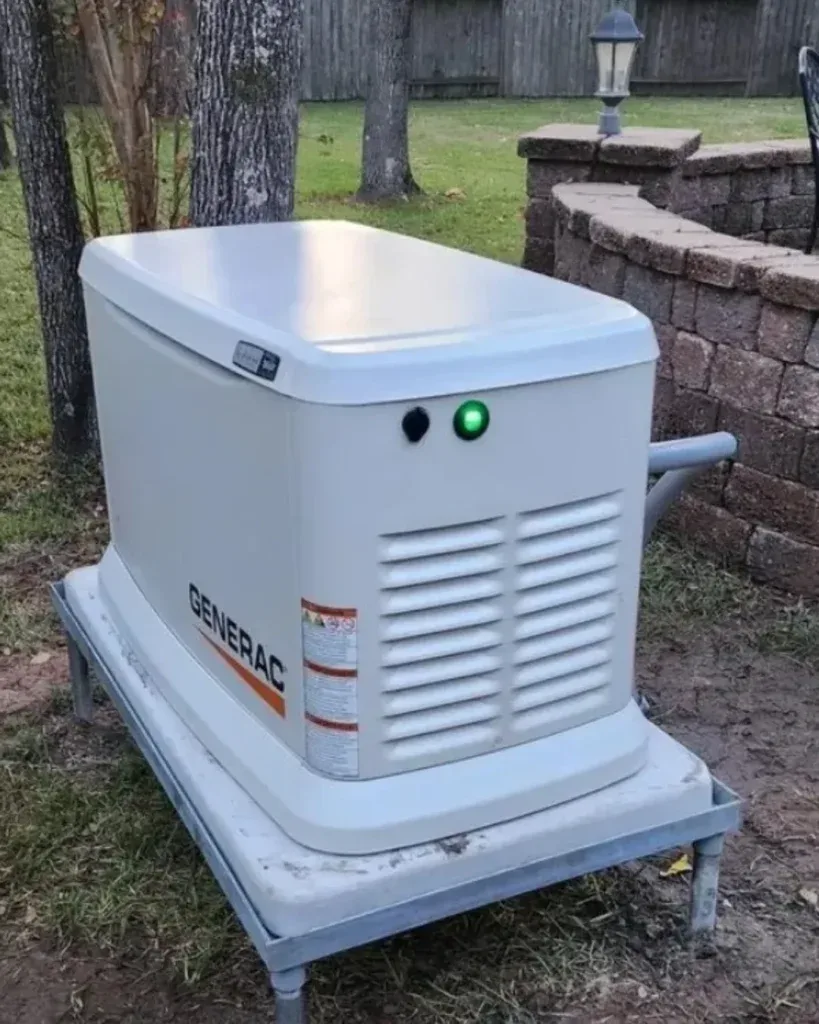
What is a Transfer Switch?
A transfer switch is an electrical device that seamlessly transfers power from the main power grid to a backup generator during an outage. It ensures that your generator powers critical circuits without the risk of back-feeding electricity into the grid, which could be dangerous for utility workers. Transfer switches come in various sizes, measured in amps, to accommodate different electrical loads.
With the ATS transfer switch, you can choose to cover either every circuit all the time or only essential circuits when paired with a generator sized for your application. RTS open transition transfer switches are ideal for residential, commercial, and light industrial applications.
Call Wired to choose the right switch.
In Stock Now
100 ATS, 150 ATS, 200 ATS, 300 ATS, 400 ATS
$2,000 off a generator install. While supplies last.
It only comes off the units on our floor, so when they're gone, it's gone. New air-cooled Generac installs come with a free 10-year warranty, and financing is there if you want it. Permit timing depends on your city or county. The install itself is usually one day.
Transfer switch installation, interlock kits and portable generator hookup
The transfer switch is the safe connection between a generator and your house.
Transfer switch installation
Automatic switches for standby generators and manual switches for portables, permitted and inspected.
Generator interlock kit
An interlock is a mechanical plate on the panel that keeps the main breaker and the generator breaker from being on together. Whether it fits depends on your panel, and it needs a permit. We look at the panel and tell you straight.
Portable generator hookup
Never plug a generator into a wall outlet or a dryer outlet. That sends power back into the grid and can kill a lineman. A transfer switch or a permitted inlet is the safe way.
Talk to us about your generator.
Estimates are free. Phones open 24/7.