
How a Standby Generator Works During an Outage
When your power is lost from the utility company, your standby generator starts on its own and begins powering your home within seconds. Here is what happens during an outage and when the power comes back.
How it works:
-
- After your generator senses a problem, your power will transfer 5-15 seconds after the generator is fully up and running. During this transfer process, you can expect your power will be off for a total of 5-15 seconds total. Your generator will be up and running and generating electricity to your home until normal utility power returns.
- Once the power is restored from the utility company, the generator will transfer power back to the utility power mode within 5-15 seconds. During this transfer process, expect the lights to flicker for a quick moment. The generator will continue to run for 60 seconds in a “cool down” mode.
Things to keep in mind:
- If your generator keeps running more than a few minutes after utility power is restored, give our office a call and we will have a technician out to your home to maintenance your unit.
- Call us before any major storm or expected power outage to perform a generator maintenance. This preventative maintenance ensures that your unit will be running and transferring properly.
- Ensure that you have a MobileLink device installed so whether you are home or away, you will be able to monitor your generator 24/7. Enroll in our remote monitoring service.
Contact Information:
Phone Number: (713) 467-1125
Email: wired@wiredes.com
If you have any questions or concerns, please contact our office.
What happens behind the scenes.
The transfer switch
The transfer switch sits next to your breaker panel. When utility power drops, it notices the loss of voltage and tells the generator to start. Once the generator runs steadily, the switch disconnects your house from the grid and connects it to the generator, so power is never sent back out to the lines.
The fuel
A standby generator runs on natural gas or propane. Natural gas comes through your meter and does not need refilling. On propane, the tank in the yard is the limit, so tank size matters in a long outage.
The weekly exercise
The generator starts itself for a few minutes once a week to stay ready, the way you would start a car that sits. It still needs regular service. The battery is the part that fails first, and it can pass the weekly test right up until the night it doesn't.
What comes back on
That depends on the size. Whole-home means everything comes back on. Essential circuits means only the things you picked, such as the fridge, the AC, lights and the garage door. A free sizing visit or our online sizing tool gives you a starting number.
Do I need to be home for it to work?
No. The whole sequence is automatic, whether you are home or away. With Mobile Link, the app tells you when the generator starts during an outage.
How long is the power off before the generator takes over?
Usually 5 to 15 seconds. The lights go out, the generator starts and comes up to speed, and the transfer switch moves the house over. When utility power returns, the house moves back and the lights may flicker for a moment.
How long can it run?
As long as it has fuel. On a natural gas line, the supply is steady. On propane, plan around the size of your tank. It still needs routine service, so book maintenance before a big storm.
It keeps running after the power came back. Is that normal?
For about 60 seconds, yes: it runs in a cool-down mode after the house moves back to utility power. If it keeps running more than a few minutes, call (713) 467-1125 and we will send a technician.
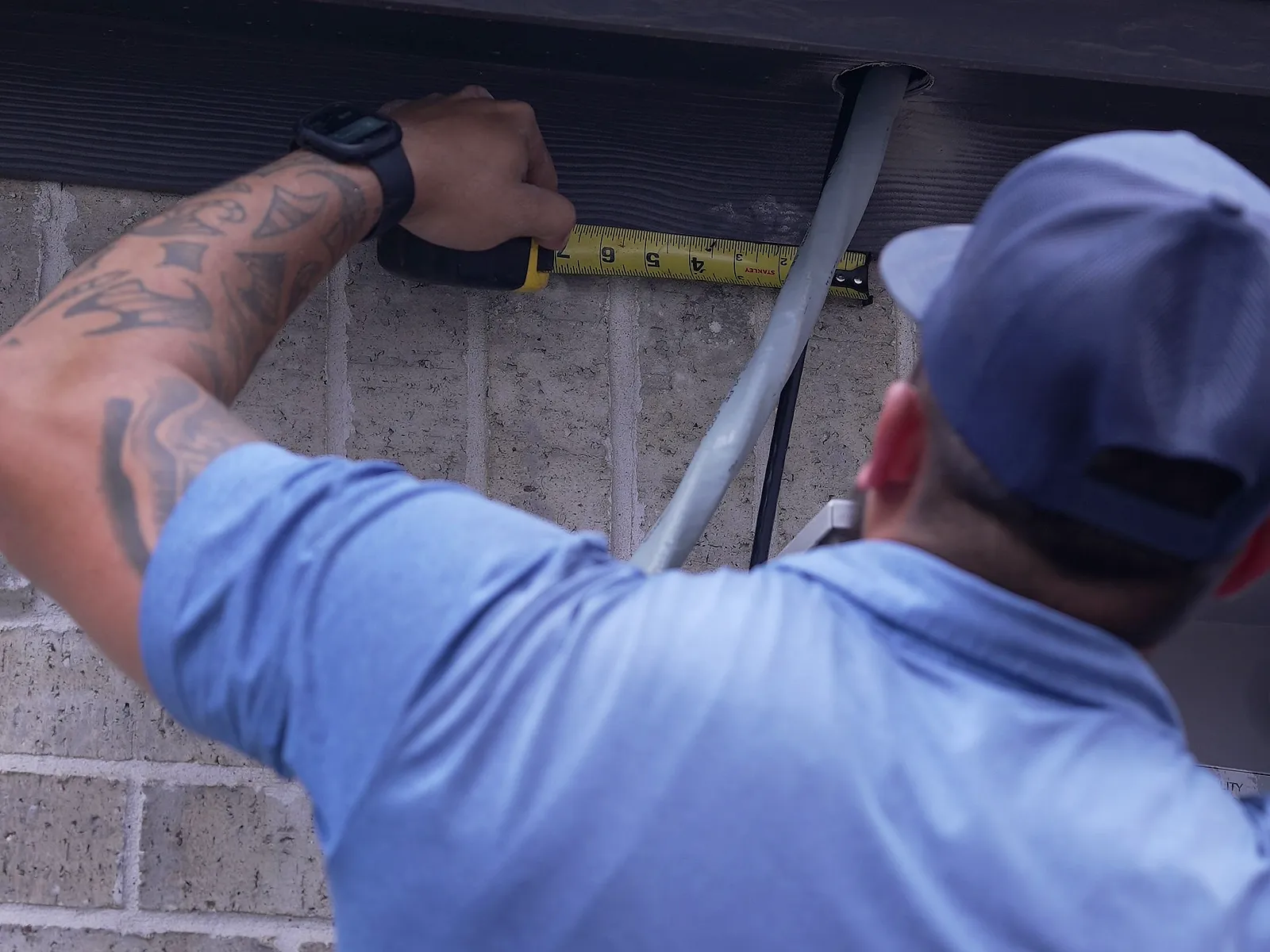
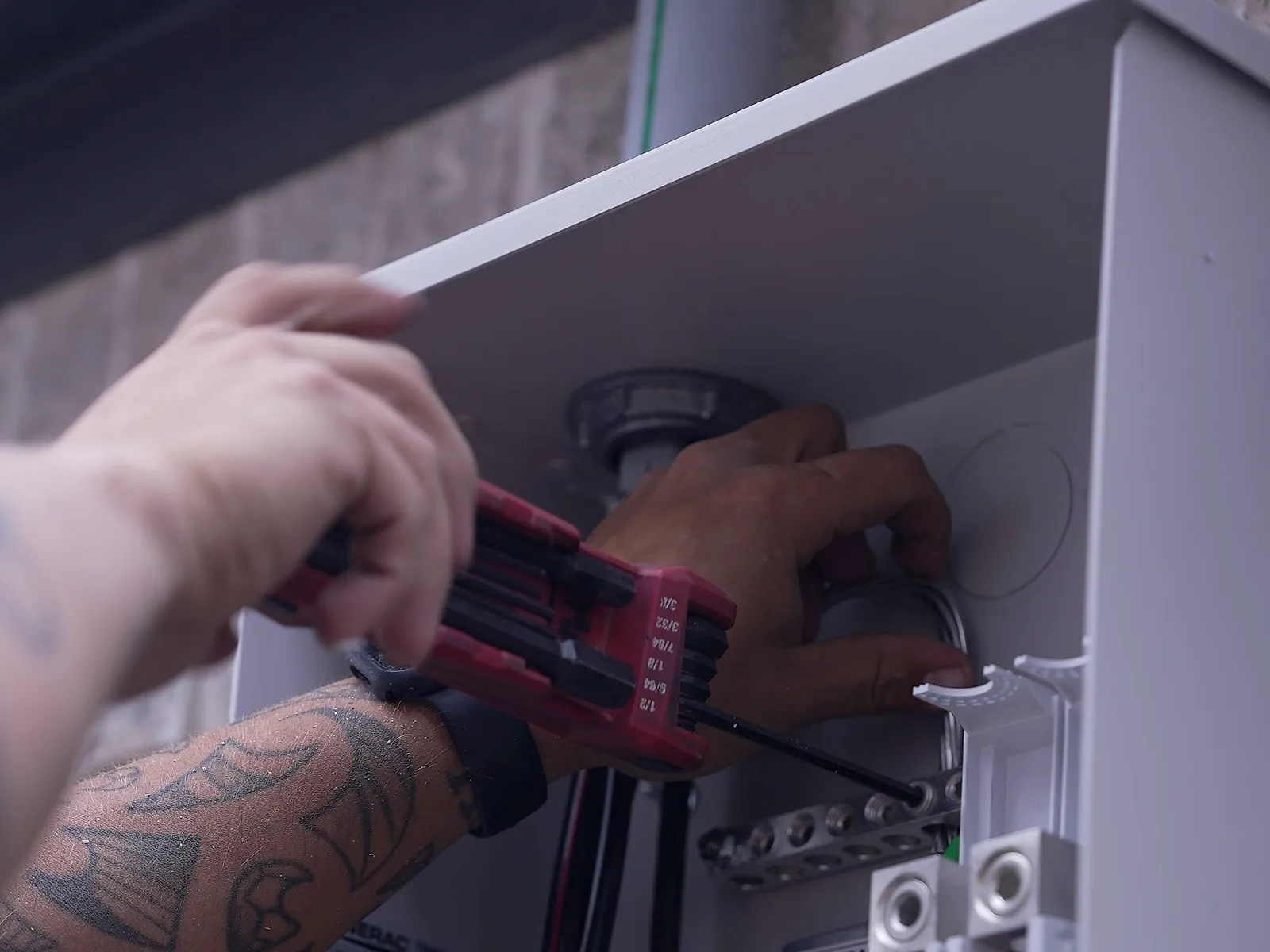
A recent Wired job.
Real photos of work by our own electricians.

Questions about any of this?
Call. Call any time.