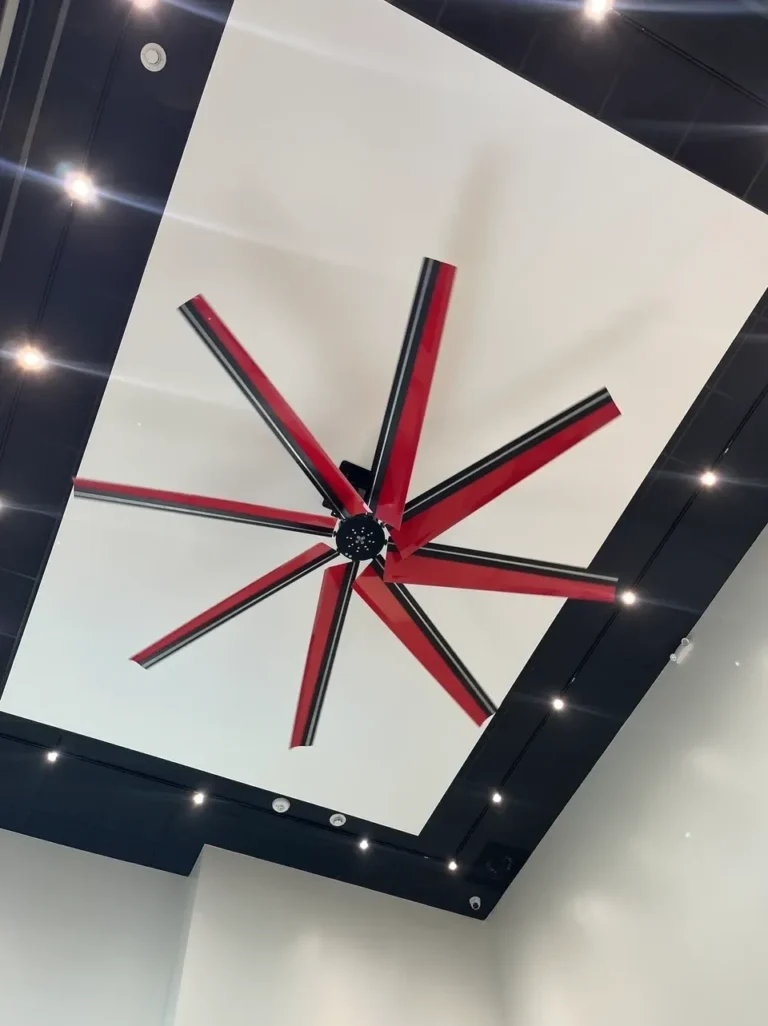
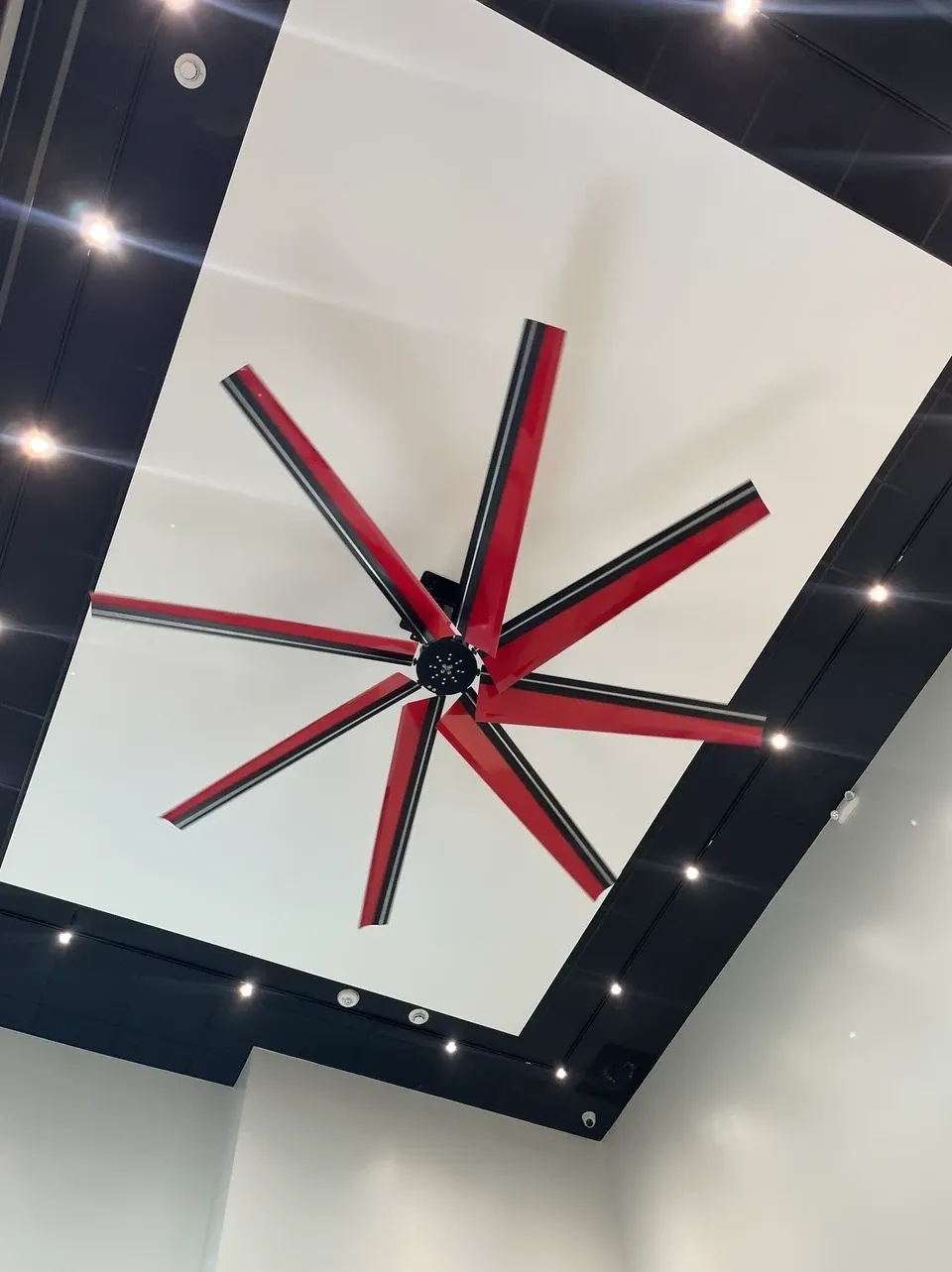
Ceiling fans are a fantastic way to enhance your home’s comfort and energy efficiency. However, many people don’t realize that changing the direction of their ceiling fan blades can make a significant difference in maintaining a comfortable temperature year-round. In this post, we’ll explain why it’s important to change your ceiling fan direction with the seasons.
Why Change Ceiling Fan Direction?
Summer Mode: Counterclockwise- In the summer, your ceiling fan should spin counterclockwise. This direction creates a wind-chill effect by pushing air down and creating a cool breeze, which helps to lower the room temperature and makes you feel cooler. Using your fan in this mode can reduce the need for air conditioning and save on energy costs.
Winter Mode: Clockwise- During the winter months, your ceiling fan should rotate clockwise at a low speed. This direction pulls cool air up, forcing warm air that naturally rises to the ceiling to circulate back down into the living space. This can help to evenly distribute heat throughout the room, making your heating system more efficient and potentially lowering your heating bills.
Additional Tips for Optimal Fan Use:
Regular Cleaning: Dust and dirt can accumulate on fan blades, which can reduce efficiency and cause imbalance. Clean your fan blades regularly to maintain optimal performance.
Energy Savings: Use your ceiling fan in conjunction with your HVAC system. In summer, increase your thermostat setting by a few degrees and let the fan provide the cooling effect. In winter, lower your thermostat and let the fan help circulate warm air.
Fan Height: Ensure your ceiling fan is installed at the proper height. Ideally, the blades should be 8-9 feet above the floor for the best air circulation.
If you have any questions or need professional assistance with your ceiling fans, don’t hesitate to contact Wired. Our team of experts is here to assist you.